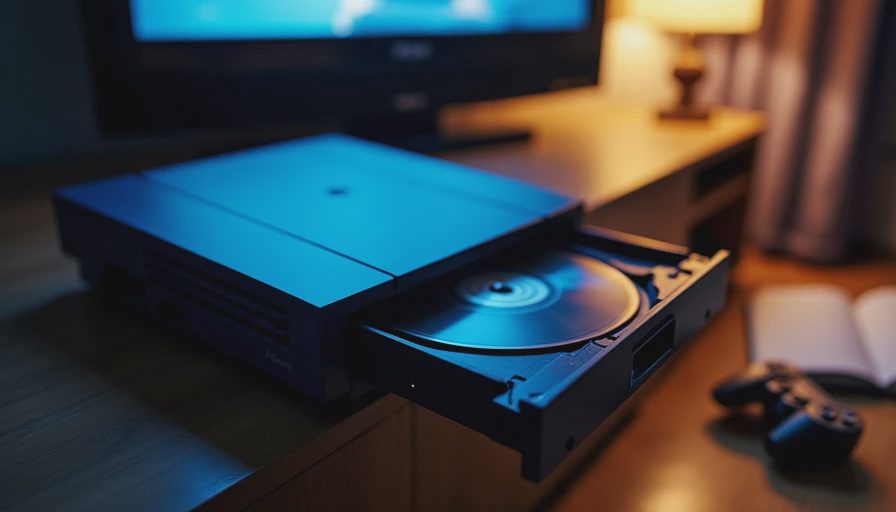
I used to think certain PS2 games were enormous.
Not just long. Not just content-rich. Enormous in the way a childhood house feels enormous when you revisit it as an adult and suddenly notice the hallway was only twelve steps long. I carried those games around in my head for years as vast, sprawling experiences—worlds that somehow took forever to cross, dungeons that seemed to descend forever, stories that stretched across seasons of my life even when the calendar said otherwise.
Then I started replaying them after work, in the same quiet apartment, with the same limited evening hours, and the size began to change.
The Feeling of Scale
Part of what made those games feel massive was simply the hardware. The PS2 took its time. Disc reads were not instantaneous. Loading screens arrived with a soft mechanical whir and stayed long enough to become part of the rhythm. You waited. You watched the same short animation loop. You had time to anticipate the next area. That waiting itself created a sense of distance. The game was not just happening on the other side of the screen; it was somewhere you had to travel to, even if the travel was only a loading bar.
Movement contributed too. Many of those games did not rush you. Characters walked at a measured pace. Cameras pulled back slowly. Traversal between points of interest often involved long corridors, empty fields, or repeated backtracking that modern design would compress or remove. At the time, those stretches felt like exploration. They gave the world room to breathe. They made the destination feel earned.
Memory kept the feeling of that earned distance and quietly discarded the actual minutes spent watching a disc spin.
What Replay Reveals
When I sit down with those same games now, the spaces often feel smaller. The corridors are still long, but they are no longer mysterious—they are simply long. The empty fields still exist, but they read less like untamed wilderness and more like areas the developers did not have the time or budget to fill. The loading screens still arrive, but instead of building anticipation they mostly interrupt.
I notice the padding more clearly. The extra rooms that exist to stretch the runtime. The repeated enemy encounters that once felt like proof of a living world and now feel like the same three assets placed at regular intervals. The deliberate slowdown that once registered as epic pacing and now registers as a game taking its time because it could.
None of this means the games were bad. It means the sense of scale I carried was only partly about design. A large portion of it was about being young, having more unstructured hours, and living inside a hardware generation that made every transition feel like a small journey.
Where the Size Was Real
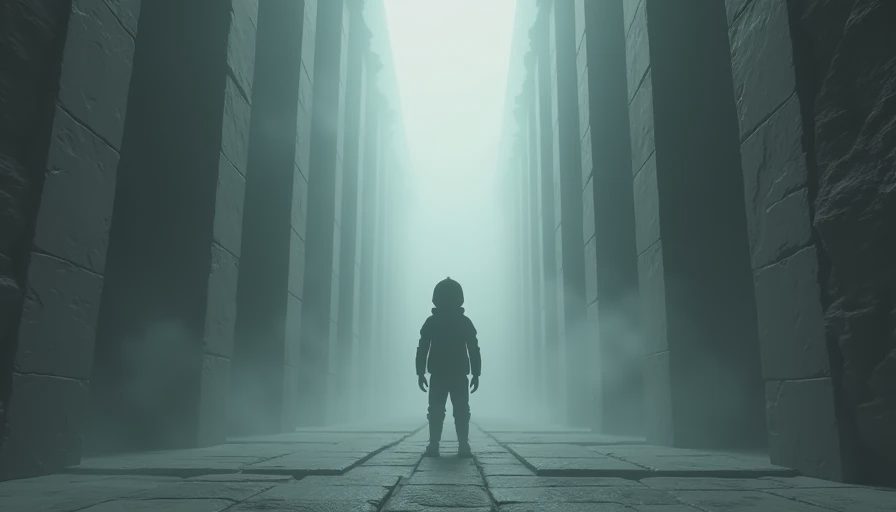
There are still places where the remembered vastness holds up. Certain open areas still manage to feel lonely and large at the same time. Certain dungeon layouts still reward careful attention and still deliver the quiet satisfaction of finding a path that was not immediately obvious. Certain soundtracks still expand the space simply by existing—music that makes a small room feel like it belongs to a bigger story.
The difference is that I can now tell which parts of the size were crafted and which parts were simply the friction of the era. The crafted parts still work. The friction has become more visible with time and with the comparison of modern games that move faster, load faster, and fill their spaces more densely.
Living With the Gap
I do not resent the gap. I find it strangely clarifying.
It is useful to know that some of what I loved was the slowness itself—the way the hardware and the design forced a different relationship with time. It is also useful to know that not every wide-open feeling was intentional grandeur. Some of it was just the technology and the design habits of 2001–2006 doing what they did.
When I replay these games now, I try to hold both truths at once. The boy who felt like he was exploring something endless was not wrong about the feeling. The adult who notices the empty stretches and the long loads is not wrong about the structure. The games did not shrink. My sense of what “massive” required simply became more precise.
Memory is one thing. Replay is another.
Some of those PS2 worlds still feel large in the ways that matter. Others mostly feel like they took a long time to cross. Both observations can sit next to each other without canceling the affection. I still reach for them on quiet nights. I just no longer expect every wide hallway to contain the same infinity it once seemed to hold.

No feedback yet — submit the first.