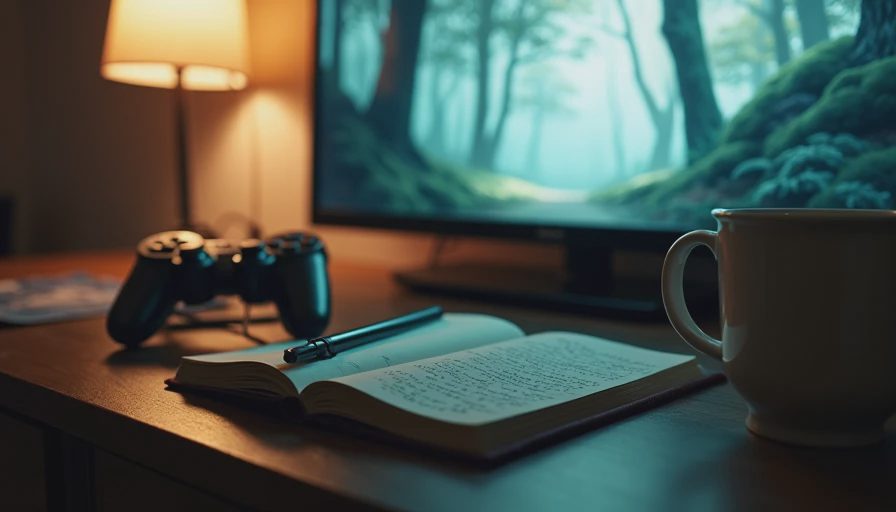
I tried Okami twice before I finally stayed.
The first time was years ago on the original PS2 disc. I made it past the long opening scroll, wandered through the first village, restored a few patches of land with the Celestial Brush, and then quietly put the controller down. The second attempt happened later, on an HD version. I got a little farther—far enough to meet more characters, far enough to feel the rhythm of the brush techniques—and still drifted away. Both times the game felt beautiful and somehow too gentle, too willing to take its time, too full of text boxes and quiet moments when I was looking for something sharper.
This time I finished it.
Why I Kept Leaving
The reasons were consistent. Okami does not hurry. The opening lays out its myth at a measured pace. Issun, the tiny artist who serves as your companion and narrator, talks a great deal. Side conversations and environmental storytelling arrive in steady waves. Combat exists and can be lively, but it is rarely the main event; the real focus is exploration, restoration, and the slow work of bringing color back to a cursed world.
As a younger player with less patience and more competing games, that pace felt like hesitation. I kept waiting for the game to tighten, to demand more of me, to become the kind of adventure that pulls you forward by force. When it refused, I assumed the problem was the game.
It was not. It was me.
What Changed on the Third Try
Coming back as an adult changed the terms. I no longer needed every evening to deliver maximum intensity. I had room for a game that wanted to move at the speed of a brushstroke rather than a sprint. The same qualities that once felt slow now felt deliberate.
The Celestial Brush remains the best idea in the game. Freezing the world and drawing a line, a circle, or a swirl to cut, bloom, or summon still carries a quiet magic. Using those techniques to solve environmental puzzles and restore dead land never stopped feeling meaningful. Watching gray, lifeless areas flood with color and life is one of the most consistently satisfying feedback loops I have experienced in an action-adventure game. It is simple. It is also strangely moving.
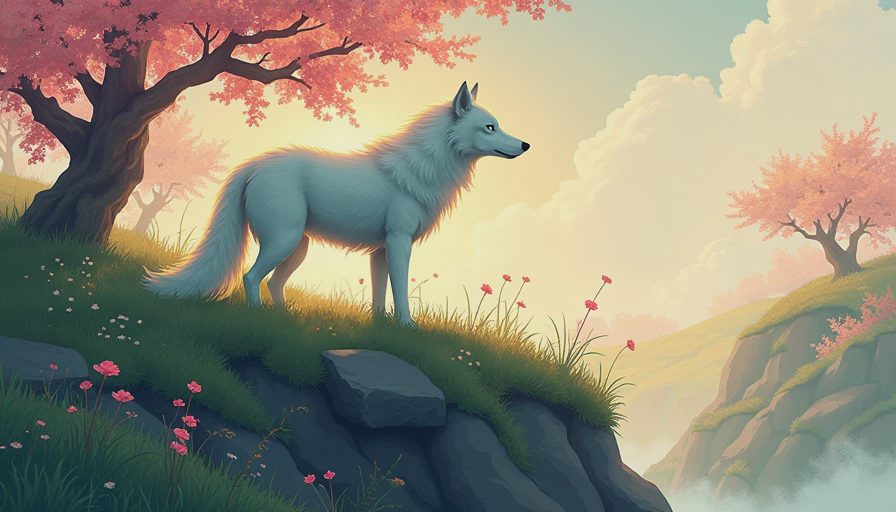
The art direction has not lost any power. The sumi-e inspired style, the way ink and watercolor seem to live inside the world, still looks singular. Even in the HD versions the presentation feels hand-crafted rather than merely polished. The soundtrack supports the mood without crowding it. The whole experience has a warmth that many more aggressive games never reach.
I also found more patience for Issun. His chatter can still overstay its welcome, but the affection underneath it is genuine. The supporting cast—flawed, comic, occasionally tragic—benefits from the extra time the game gives them. The story draws from Japanese folklore with a light, respectful touch and never seems interested in becoming darker or edgier than it needs to be.
What Still Friction Remains
The length is real. Okami is longer than its early hours suggest. There is a natural narrative peak that arrives well before the credits, and the game continues past it with new regions, new systems, and a broader scope. Some players experience that expansion as richness. Others feel the air leave the room. I landed somewhere in the middle: grateful for the additional brush techniques and areas, occasionally aware that the game was asking for more evenings than it strictly needed.
Combat never becomes the star. It is functional, occasionally inventive when brush techniques are woven in, and rarely demanding. If you come to Okami primarily for tight action, you will spend a lot of time waiting for the next interesting drawing prompt or story beat. The camera and some of the platforming sections also show their age in the way many mid-2000s 3D games do.
None of these issues ruined the replay. They simply remained visible.

The Value of Returning
Finishing Okami did not rewrite my earlier attempts into secret successes. I bounced off it twice for understandable reasons. The game asks for a particular kind of attention—unhurried, receptive, willing to let beauty and small acts of restoration matter more than constant escalation. When I could not give that attention, the game felt incomplete. When I finally could, the same design choices felt coherent.
There is a particular pleasure in returning to a game you once abandoned and discovering that the problem was not a lack of quality but a mismatch of timing. Okami was always a generous, distinctive adventure. I simply needed to become the kind of player who could meet it at its own speed.
Memory is one thing. Replay is another.
I am glad I came back. The world still fills with color when you ask it to. The brush still feels like a small miracle. And the quiet satisfaction of restoring a landscape, one stroke at a time, still lands with more force than I expected after all these years.
If you have a copy sitting in a backlog because the early hours once felt too gentle, it may be worth another look. Just do not expect the game to hurry for you. It never did. That turns out to be part of the point.

No feedback yet — submit the first.