
That sentence has been sitting at the bottom of my notebook for months. I wrote it before I started this blog, before I knew what I was trying to say. It just felt true.
Now, after writing about Kingdom Hearts and Animal Crossing, after replaying Ico and SSX 3, after staring at my shelf of strategy guides and wondering why I keep them—I think I finally understand what I meant.
Memory Is Generous
Memory doesn't tell the whole truth. It tells the version we need.
When I remember Kingdom Hearts, I don't remember the camera fighting me in every boss room. I remember the stained-glass opening. The music. The feeling of walking through Halloween Town for the first time. Memory smooths over the rough edges. It keeps the warmth and discards the friction. That's not a flaw—it's how memory works. It protects us from the full weight of the past.
The same thing happens with Animal Crossing: Wild World. I remember the villagers, the quiet evenings, the comfort of a town that felt alive. I don't remember the grass deterioration or the repetitive dialogue. I remember the feeling of playing, not the mechanics of it.
Memory is like a strategy guide written by your younger self. It tells you the highlights. It marks the moments that mattered. And it lets the rest fade into background noise.

Replay Is Honest
Replay is different. Replay doesn't care about your feelings.
When you sit down to play a game again—really play it, from start to finish—you can't rely on memory. The camera is right there, stuck in the corner. The controls are as clunky as they always were. The repetitive dialogue repeats. The frame rate stutters.
Replay strips away the protection of memory and shows you what's actually there.
That's what I discovered replaying SSX 3. The memory said: that game was perfect. The replay said: it's close, but let's be honest about what still works and what doesn't. The mountain is seamless. The controls are tight. The soundtrack still reacts to you. But the character designs? The voice acting? That's 2003. You can't pretend it isn't.
Replay is the friend who tells you the truth when you need to hear it. It's not cruel—it's just clear-eyed.
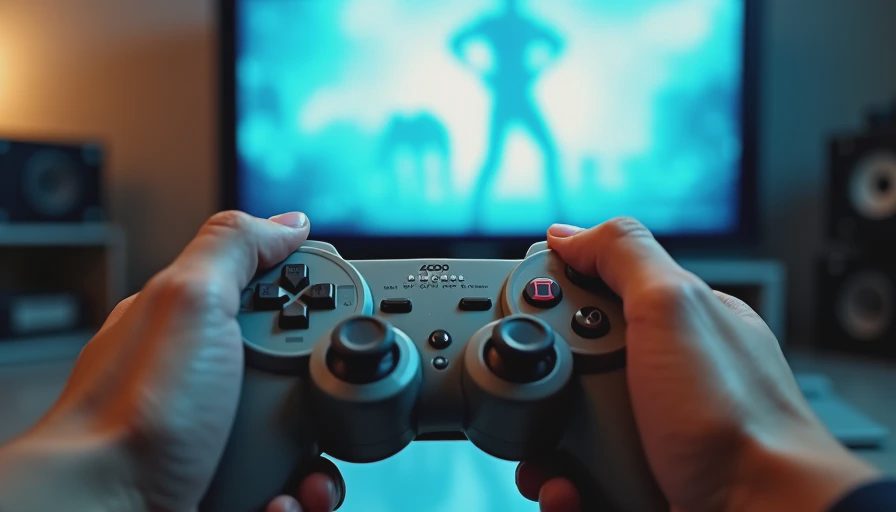
The Space Between
The interesting part is what lives in the space between memory and replay.
That space is where the real writing is. It's where you find out what held up and what didn't. It's where you discover that some games were better than you remembered, while others were only ever magical because you were twelve and easy to impress.
When I replayed Ico, I expected it to be slower than I remembered. It wasn't. It was exactly as slow—but I had more patience now. The game hadn't changed. I had.
When I replayed Golden Sun, I expected it to feel dated. It did, but not in the ways I anticipated. The battles were slower, the dialogue longer, the pacing heavier. But the sense of discovery—that part was still there, right where I left it.
Sometimes replay reveals that memory was wrong. Sometimes it reveals that memory was right, but for reasons we didn't understand at the time. And sometimes it reveals that the game was never the point at all. The person you were when you played it—that was the point.
The Honest Verdict
So what's the verdict on memory versus replay?
Memory is the thing that makes us come back. It's the warmth, the curiosity, the pull of something unfinished. It's why we pick up old cartridges and blow the dust off them. It's why we keep strategy guides we no longer need.
Replay is the thing that makes the return worthwhile. It's the honesty, the clarity, the chance to see something old with new eyes. It's why we keep doing this—not to confirm that the past was perfect, but to understand what about it still matters.
I've been writing this blog for a little while now, and I've learned one thing: memory will always be generous. Replay will always be honest. And the space between them—that's where the good stories live.
Memory is one thing. Replay is another.
Both are worth keeping.



No feedback yet — submit the first.