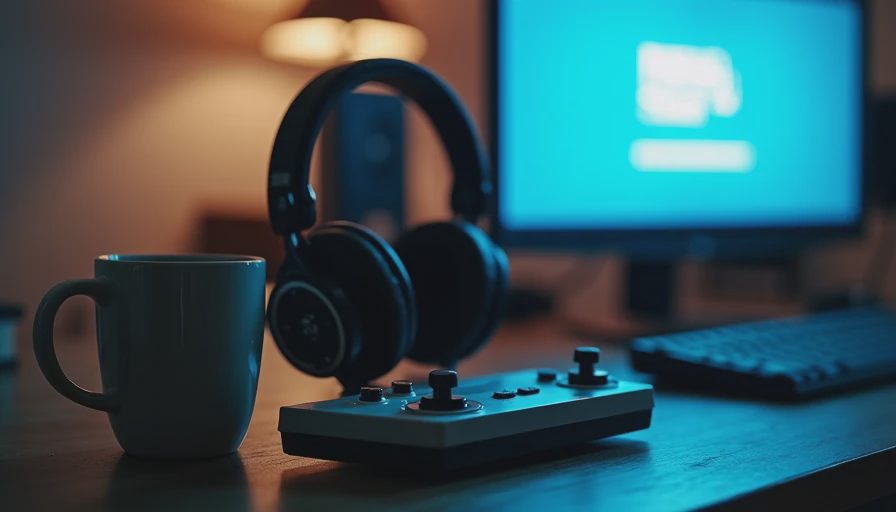
There are pieces of music I cannot hear without being returned, instantly, to a specific kind of quiet.
Not the big battle themes. Not the soaring overworld tracks. The smaller ones. The loops that played while a title screen waited. The soft chimes that confirmed a selection. The short, repeating phrases that filled the space between “Press Start” and the moment the real game began. Menu music. System music. The sound of being about to play.
I still hear them at odd hours. Standing in the kitchen after work. Walking past the used bookstore on a night when the air is cool. Lying awake longer than I meant to. They arrive without invitation, complete and unchanged, as if the hardware that first played them is still somewhere nearby.
The Architecture of Waiting
Old menus were designed for a different relationship with time. Discs spun up slowly. Cartridges had to be recognized. Memory cards had to be read. The game needed a place to put you while the system prepared itself, and that place was often a simple screen with a looping piece of music just long enough to become familiar and just short enough to never fully resolve.
Those loops did quiet work. They set a temperature. They told you what kind of evening you were entering. A bright, bouncy phrase promised something light. A softer, slightly melancholic line suggested atmosphere and patience. Even the most basic confirmation sound—the little blip that said “yes, you selected that”—carried a weight of reliability. The machine had heard you. The game was listening.
I did not notice any of this as a teenager. I only wanted the waiting to end. Now I notice it constantly. The waiting was part of the experience. The music made the waiting feel like belonging rather than delay.
Why the Small Sounds Outlast the Large Ones
Full soundtracks have movements and peaks. They accompany specific scenes and then move on. Menu music has no such narrative job. It simply remains. It plays while you adjust the volume, while you check the memory card slots, while you decide whether you are actually in the mood for this game or just circling the idea of it. Because it is not tied to a dramatic moment, it becomes tied to the condition of being present with the game itself.
That is why these pieces stay. They are attached less to plot than to ritual. The ritual of turning the system on. The ritual of sitting down after everything else was finished. The ritual of choosing a file and feeling, for a second, that time was about to become a different shape.
I can forget the exact sequence of a boss fight I once struggled with. I rarely forget the sound that played while the title screen waited for me to begin.
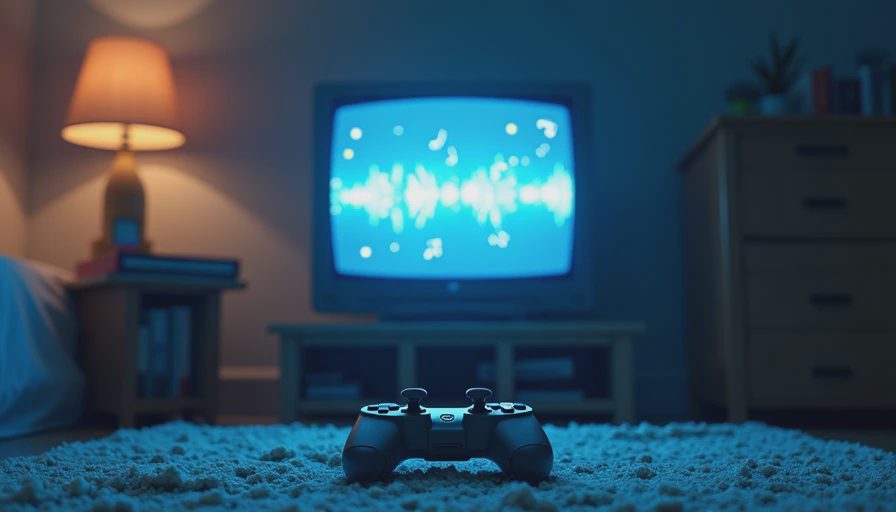
The Emotional Furniture
These sounds have become a kind of furniture in the memory. They do not demand attention. They simply occupy the space where certain feelings used to live: anticipation without urgency, solitude without loneliness, the low-grade excitement of having a few uninterrupted hours. When the same sounds surface years later, they bring the shape of those feelings with them, even if the original circumstances are gone.
I live alone now. The apartment is quiet in a way my childhood house never was. Sometimes I will open an old game not to play it for long, but simply to sit with the menu for a minute. The music fills the room the way it used to fill smaller rooms with different furniture and different worries. It is a low-stakes way of visiting a former version of time.
This is not nostalgia in the loud sense. I am not trying to reclaim a better era. I am only noticing that certain sounds still know how to open a door I did not realize was still unlocked.
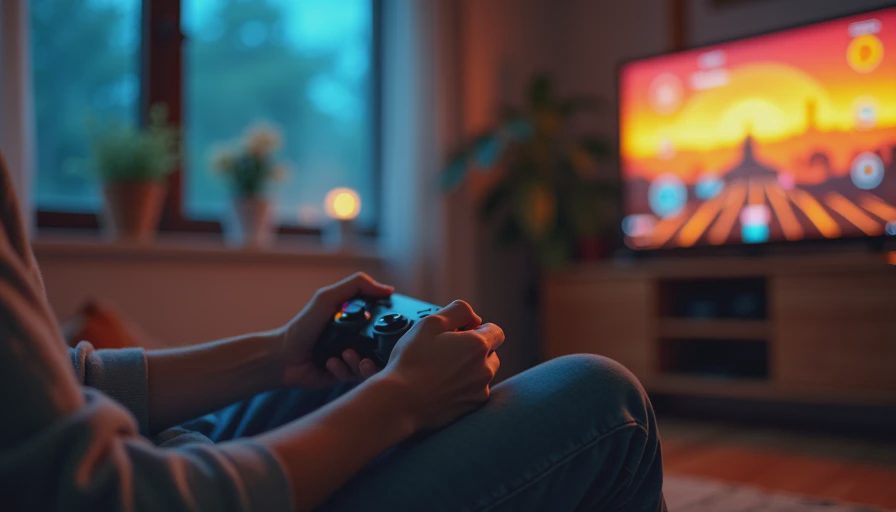
What Remains
Modern games often move faster past their menus. Streaming, instant resume, elaborate animated title sequences that feel more like trailers than thresholds. There is nothing wrong with that efficiency. It simply produces a different emotional texture. The old menus, with their modest loops and patient repetition, created a small vestibule between ordinary life and the game. You stood there for a moment. The music kept you company while you decided to step through.
I still carry those vestibules with me. They appear without warning and disappear just as quietly. When they arrive, I let them play out in my head for the length of one more loop. Then I return to whatever I was doing—dishes, a book, the next day’s preparation—with the faint sense that something familiar has passed through the room.
Memory is one thing. Replay is another.
Sometimes you do not need to replay the game at all. Sometimes the menu is enough to remind you why you ever sat down in the first place.
No feedback yet — submit the first.