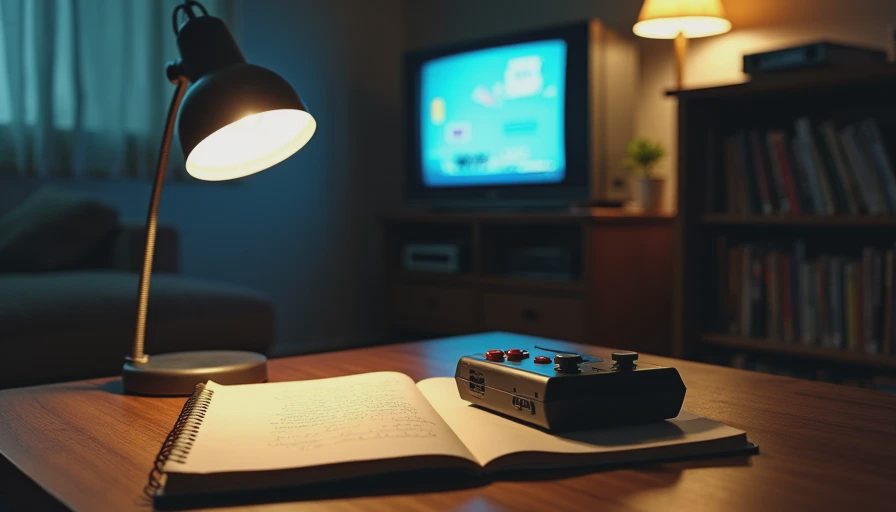
I work a regular office job in Ann Arbor. Most days end the same way: fluorescent lights, a last email I probably didn’t need to send, the short walk to the car under streetlights that always feel a little too bright. By the time I get home the house is quiet. I’m thirty-one, single, and I live alone. There’s no one waiting to ask how the day went, which is both a freedom and a kind of emptiness I’ve gotten used to.
What I usually do next is turn on an old game.
Not a new release. Not something with a battle pass or a season roadmap. Something that already finished its story years ago—something with a title screen that still loads a little slower than it should, or a save screen that still makes that soft, familiar sound. I sit down with a controller that has seen better decades and try to remember why this particular game once felt so large.
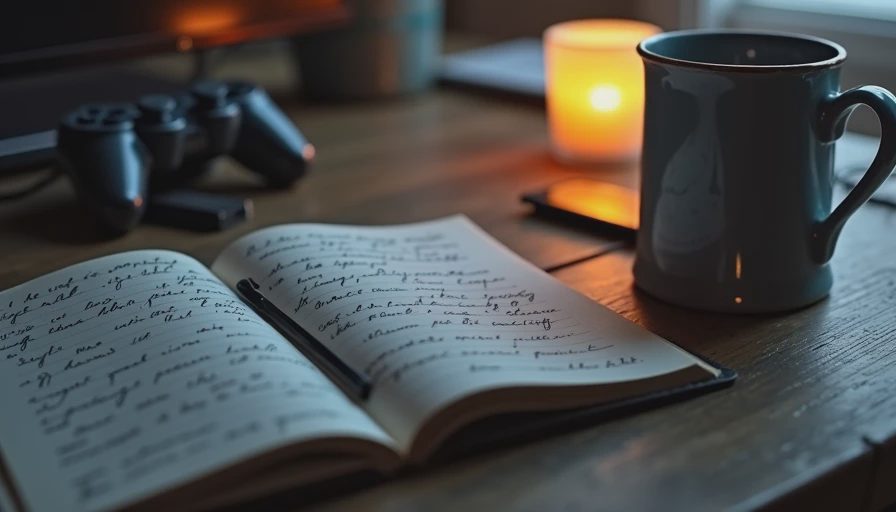
Most of the time I don’t finish what I start. I’ll play for an hour, maybe two, then close it and stare at the ceiling for a while. Sometimes I write a few notes in a cheap notebook before I look anything up online. I like to know what I actually felt before the internet tells me what I was supposed to feel.
That habit is how this blog started.
What I Actually Miss
I miss old games. Not the idea of them. Not the curated “best of the 2000s” lists that keep circulating. I miss the specific texture of playing them when I had more time than sense—PS2 rentals that smelled like the inside of a GameStop, borrowed GBA cartridges with the labels half peeled, the quiet satisfaction of finding a used copy that still had the manual. I miss the way certain menu themes could make a school night feel longer than it was. I miss the feeling that a game could still surprise me simply by existing.
But I don’t miss the blindness that sometimes comes with nostalgia.
The Problem with Protecting the Past
There’s a difference between loving something and protecting it from the present. A lot of retro conversation online seems to freeze games in amber and then get angry when anyone notices the dust. Graphics were “better than people give them credit for.” Design choices that clearly haven’t aged well are reframed as “intentional.” Criticism gets treated like a personal attack on childhood itself. I understand the impulse. I feel it too. But I don’t trust it.
Memory is generous. It edits out the loading screens that went on too long, the camera that never quite behaved, the difficulty spikes that felt less like challenge and more like spite. It keeps the feeling and quietly discards the friction. That’s its job. Replay has a different job. Replay asks what still works when you’re older, tireder, and less willing to forgive everything just because it once meant something.
What This Site Is Trying to Be
I started writing these pieces because I wanted a place where both things could sit next to each other without one canceling the other out. The warmth doesn’t have to disappear just because the critique arrives. The critique doesn’t have to be cruel just because the warmth is real. A game can still matter to me and also no longer be worth the limited free hours I have left in a week. Both statements can be true at the same time.
This site isn’t a ranking list. It isn’t a hardware museum. It isn’t a defense of every classic against the passage of time. It’s closer to a series of honest reports from someone who still cares, still plays, and still notices when the magic has thinned.
You’ll find full replay verdicts here—games I sat with long enough to form a clear opinion about what holds up and what doesn’t. You’ll find shorter reflections on the gap between what I remembered and what I actually experienced the second time around. You’ll find pieces about the games I abandoned as a kid and finally returned to with more patience than I had at fifteen. And you’ll find the quieter essays about the furniture around the games themselves: old strategy guides, the strange comfort of physical cases, the way certain save screens still feel like small rooms you can step back into.
Why I Write Under My Own Name
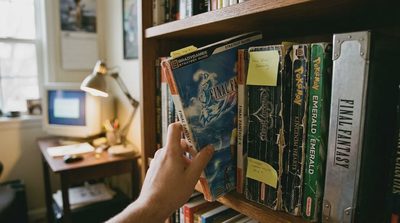
I write under my own name because I don’t want the distance of a persona that pretends to be more authoritative than it is. I’m not a critic by trade. I’m not a collector with rare hardware. I’m an office worker who still keeps a small stack of old game magazines on a shelf and still gets a little quiet when the right menu music starts. That feels like enough.
If you’re here, you probably already know the feeling I’m talking about. You grew up on systems that now sit in drawers or on eBay. You have a job that takes most of your daylight. You still wonder, every so often, whether the games that shaped you still have anything left to give. You’re not looking for someone to tell you they were all perfect. You’re looking for someone willing to sit with them again, carefully, and report back without either cynicism or blind loyalty.
That’s what I’m trying to do.
Memory is one thing. Replay is another.
I started this blog because I still want both.

No feedback yet — submit the first.