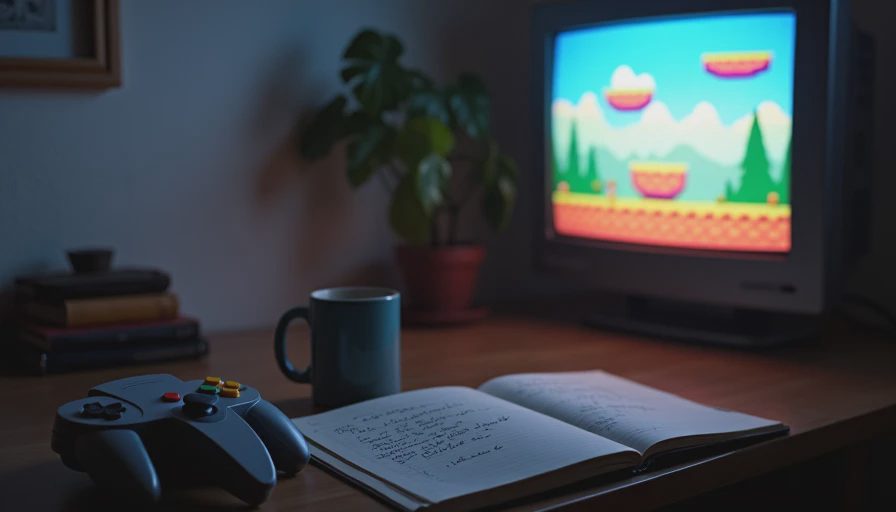
I used to remember early 3D platformers as pure possibility.
The leap from side-scrolling to polygonal space felt enormous. Suddenly the ground had depth. Jumps had weight. Levels could fold over themselves in ways flat screens never allowed. I carried those games around in my head as triumphs of invention—bright, open, full of the excitement of a new dimension.
Then I started replaying them after work, controller in hand, adult patience in shorter supply, and the forgiveness of memory became easier to see.
The Camera Was Part of the Deal
The most obvious thing nostalgia softens is the camera.
Early 3D cameras were often a compromise between showing the character and showing the danger. They clipped through walls, swung too wide on narrow platforms, or simply refused to look where you needed them to look. You learned to fight the camera as much as the level. At the time it felt like the cost of progress. The technology was new. Of course it was imperfect.
Replaying those games now, the cost is clearer. Moments of genuine platforming skill are still interrupted by the same old struggle to see the edge you are about to miss. The tension that once felt like part of the adventure now often feels like friction the design never fully solved. Memory kept the thrill of moving through space. It quietly edited out how often you were also wrestling the viewpoint.
Float and Forgiveness
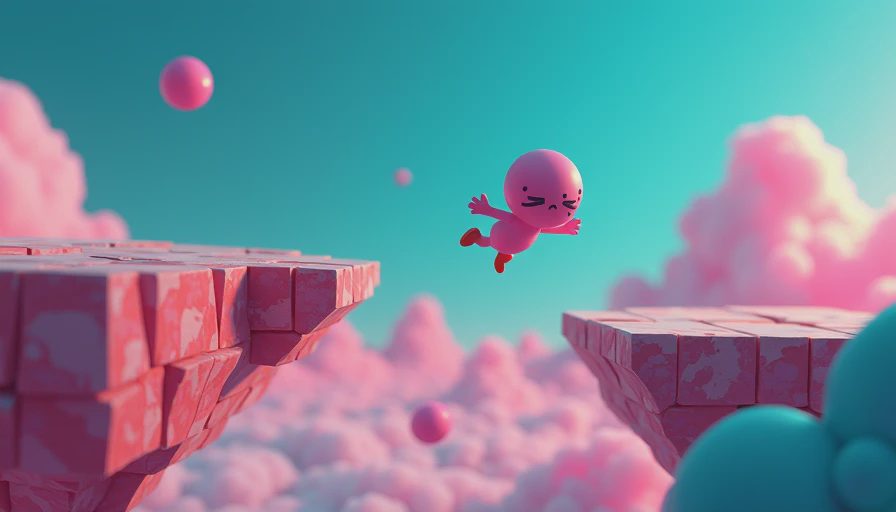
Many of those early jumps were floaty by modern standards. Landing detection could be generous or strangely strict depending on the frame. Characters hung in the air longer than physics suggested they should. At the time the floatiness contributed to a sense of dreamlike movement. It made the worlds feel slightly unreal, which suited the fantasy.
Years later the same float can read as imprecision. When you are used to tighter, more responsive controls, the old arcs feel less like intentional style and more like systems that had not yet figured out how to make 3D movement feel trustworthy. Nostalgia remembers the sensation of soaring. Replay notices how often you were adjusting mid-air because the jump did not quite do what you asked.
Empty Space and the Illusion of Scale
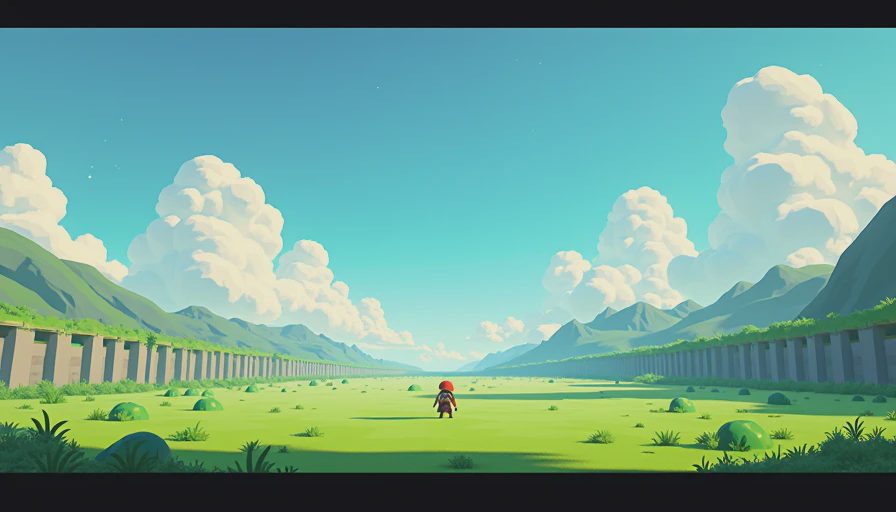
Early 3D worlds often used emptiness to suggest size. Large rooms with little in them. Long corridors that existed mainly to connect denser areas. Wide open grounds that contained only a few collectibles and a lot of walking. As a younger player those spaces felt expansive. The emptiness was part of the grandeur.
Replaying them, the same spaces can feel under-filled. You notice how much of the runtime is spent crossing distances that modern design would compress or populate more carefully. The sense of scale was partly real invention and partly the result of technical limits and design habits of the era. Memory kept the feeling of vastness. It discarded how much of that vastness was simply unoccupied.
What Still Earns Its Place
Not everything is forgiven only because we were young.
Some of the level design still shows real imagination. Certain sequences of platforms, switches, and environmental logic remain satisfying once the camera cooperates. The pure novelty of moving through polygonal space for the first time cannot be repeated, but the better games turned that novelty into coherent play. Character movement, even when floaty, sometimes carries a charm that tighter modern controls have sanded away. And the sound design—the specific way a jump or a collectible or a distant enemy announced itself—still has the power to drop you back into the feeling of those first hours.
The best of those games were not only products of their limitations. They were also acts of genuine invention under constraints. Nostalgia is not wrong to value them. It is only incomplete when it refuses to see the seams.
Living With the Forgiveness
I do not resent what memory smooths over. It is doing what memory does. It keeps the emotional temperature of an experience and quietly discards the parts that would cool it down.
What replay offers is the chance to hold both versions at once. The version that felt like a new frontier, and the version that sometimes made you fight the camera, second-guess a floaty jump, or jog across an empty stretch that once felt like wilderness. Both are true. The affection does not have to disappear just because the friction becomes visible again.
Early 3D platformers were learning how to exist. We were learning how to play them. The gap between those two learning curves produced some of the frustration and some of the magic. Nostalgia tends to keep the magic and misplace the frustration. Replay puts them back side by side.
Memory is one thing. Replay is another.
I still return to certain games from that era on quiet nights. I just no longer expect the camera to behave, the jumps to feel precise, or every wide space to contain the same sense of wonder it once seemed to hold. The wonder is still there in places. It simply shares the room with everything memory once agreed to forget.


No feedback yet — submit the first.