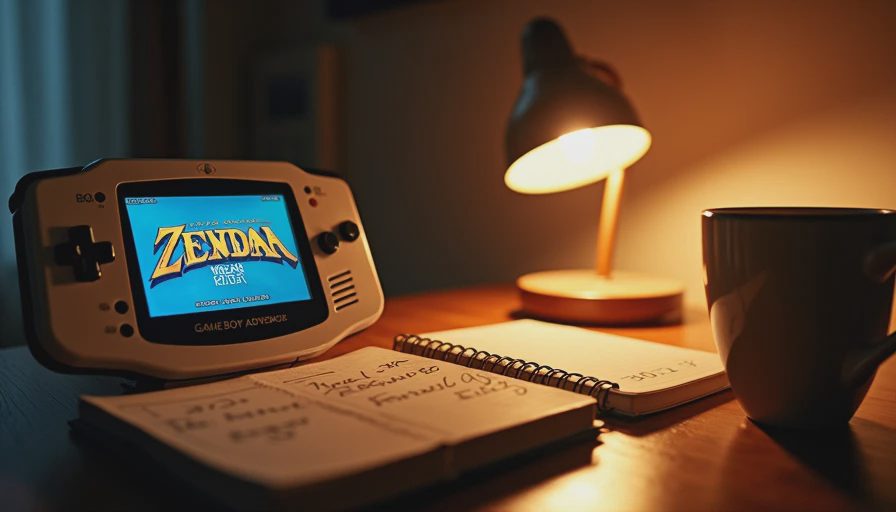
I loaded Golden Sun on a quiet Thursday evening, the way I do most of these replays—after the office lights had gone off and the walk home had already settled into the same familiar rhythm. I hadn’t touched it properly in years. What I remembered was the golden light on the title screen, the soft chime of a Djinn being set, and the feeling that the world map somehow stretched farther than the GBA screen should have allowed.
Memory is one thing. Replay is another.
What I found in 2026 is a game that still knows how to cast a quiet spell, even if it asks for more patience than most modern players are used to giving.
What Still Feels Special
The puzzles remain the heart of the experience. Golden Sun treats its environments like something you can actually interact with. Psynergy isn’t just battle magic—it’s a set of tools for moving statues, freezing puddles, clearing vines, and reading the thoughts of every NPC who will stand still long enough. The dungeons are built around these abilities in a way that still feels thoughtful. You’re rarely solving abstract riddles. You’re using the powers the story has given you in practical, satisfying ways. That design still holds up cleanly.
The Djinn system is the other piece that aged with grace. Collecting these little elemental spirits, assigning them, and watching your characters shift classes creates a sense of experimentation that many turn-based games of the era never quite managed. Summons still look and feel impressive, even on the small screen. There’s a quiet pleasure in balancing which Djinn to set for stats and which to keep ready for a big summon when a tough fight arrives.
Visually, the game has a warmth that modern high-definition remasters sometimes lose. The character sprites have personality. The battle animations have weight and flair. The overworld still manages to feel larger than it should. And Motoi Sakuraba’s soundtrack continues to do a lot of the emotional heavy lifting—gentle town themes, adventurous field music, and battle tracks that never overstay their welcome.
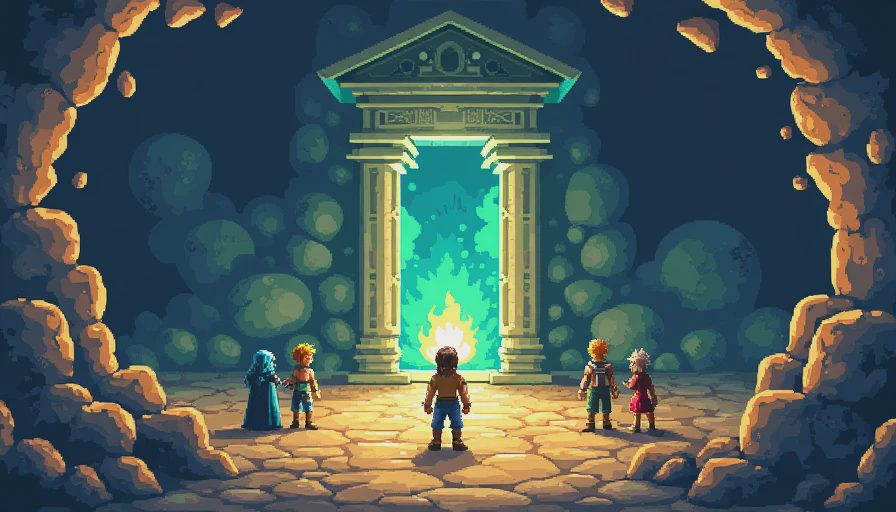
Where the Years Show
The early hours ask for patience. The game takes its time introducing systems, and the dialogue can feel denser than necessary. Characters are likable but not deeply drawn; they fill their archetypes cleanly without many surprises. If you come in expecting sharp writing or complex moral dilemmas, you’ll be waiting a long time.
Random encounters still exist, though Camelot was thoughtful enough to reduce them in the more puzzle-heavy sections. Even so, the rhythm of walking, fighting, and solving can feel deliberate in a way that modern RPGs have largely moved away from. The combat itself is solid and occasionally clever, but it rarely demands the kind of constant engagement that later systems do. You can coast for stretches if you want to.
And then there’s the ending. Golden Sun is only the first half of a larger story. It closes on a deliberate cliffhanger that points directly toward The Lost Age. Playing it in isolation leaves a noticeable incompleteness. That was true in 2001, and it remains true now.
The Gap Between Memory and Replay
As a teenager with more free hours than judgment, the world of Golden Sun felt vast and mysterious. The puzzles felt like genuine discoveries. The Djinn system felt like a secret language I was slowly learning. Replaying it as an adult, I can see the edges more clearly. The story is simpler than I remembered. Some of the wonder was the novelty of a well-made GBA RPG at a time when the handheld library still felt full of possibility.
But the core pleasures survived. The satisfaction of solving a room with the right Psynergy, the quiet beauty of the environments, the way the music settles over long stretches of travel—these things still work. The game never tries to be louder or cleverer than it needs to be. It just offers a steady, thoughtful adventure and trusts you to meet it halfway.
Who Should Still Play This in 2026
Play it if:
You enjoy classic turn-based RPGs that reward exploration and light puzzle-solving more than constant combat intensity.
You like systems that let you experiment with character builds without requiring spreadsheets.
You’re willing to accept a slower pace and a story that prioritizes atmosphere over complexity.
You’re prepared to continue into The Lost Age afterward, because the first game is clearly designed as part one.
You can probably skip it if:
You have limited patience for early-game dialogue and tutorial-heavy openings.
You need tight modern pacing or highly reactive combat.
You prefer stories with sharper character writing and fewer traditional JRPG beats.
You’re only looking for a self-contained experience and don’t want to commit to the sequel.
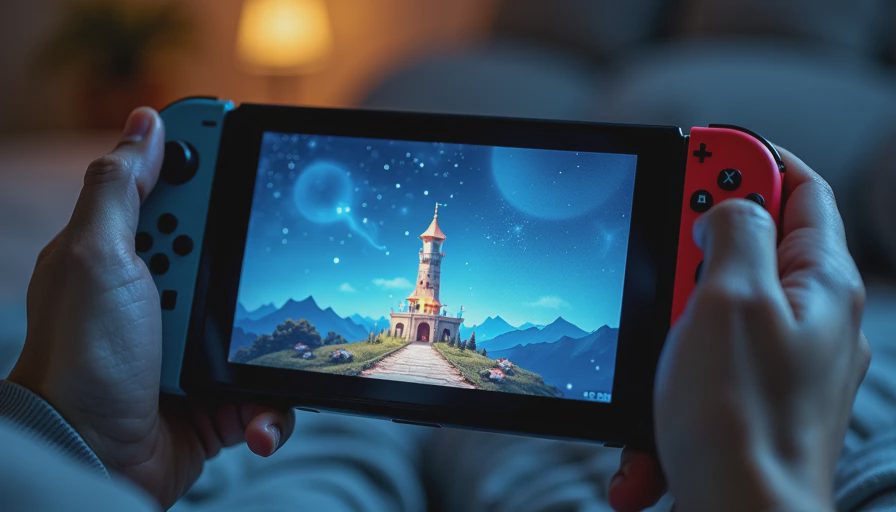
The cleanest way to play in 2026 is through the Nintendo Switch Online GBA library, where both Golden Sun and The Lost Age are available. The original hardware experience still has its charm if you have a GBA or DS, but the official digital version removes most of the friction.
I finished my replay later than planned, the way these sessions often go. The final lighthouse still has a certain quiet grandeur. The music still knows when to pull back. I sat with the “To Be Continued” screen for a moment longer than necessary, already knowing I would be loading the sequel soon.
Golden Sun does not feel brand new. It does not pretend the last twenty-five years of game design never happened. But it still offers something increasingly rare: a complete little world that respects your attention and rewards careful play without shouting for it.
Memory made the golden light brighter. Replay showed me the careful craft underneath. And the craft is still worth the time, if you’re the kind of player who still has room for a slower kind of adventure.
That’s the verdict from one adult in Ann Arbor, still a little surprised that a GBA RPG from 2001 can still feel like a place worth returning to.


No feedback yet — submit the first.