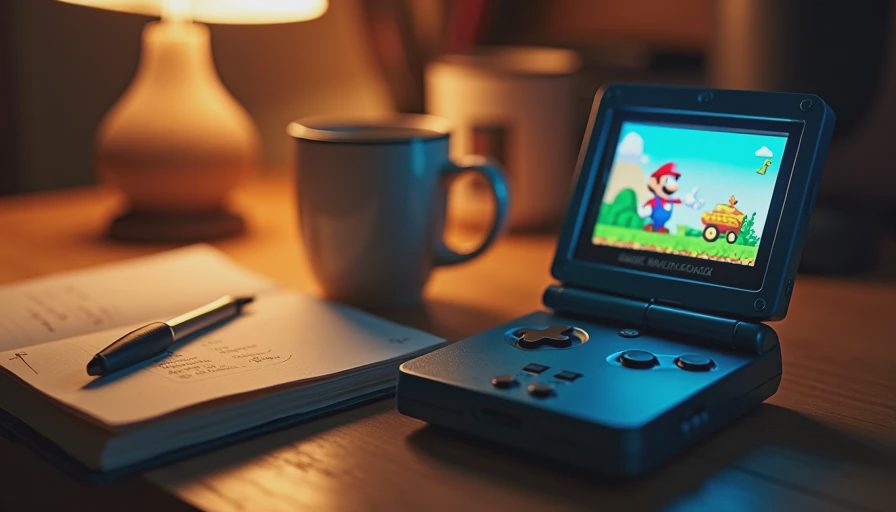
I loaded Mario & Luigi: Superstar Saga on a weeknight that had already gone longer than planned. The office was closed, the apartment was quiet, and I wanted something that would not ask me to take it too seriously. What I got was a GBA RPG that still knows exactly how to be fun.
I had played it before, years ago. I remembered the jokes, the timing-based attacks, and the strange little kingdom made of beans. What I did not fully remember was how consistently the game refuses to waste your time once it finds its rhythm.
Memory is one thing. Replay is another.
What Still Feels Great
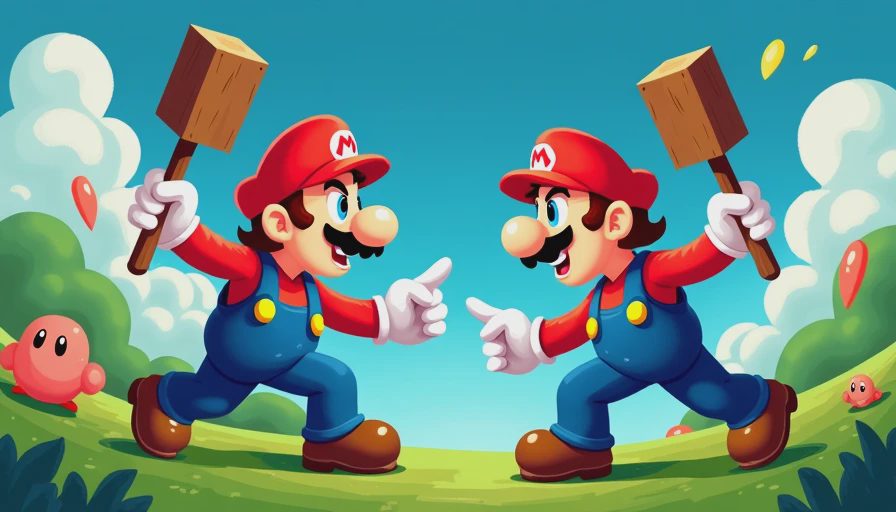
The combat remains the star. Turn-based on the surface, it asks you to stay awake the entire time. Jumping on the right enemy, hammering at the right moment, and landing the action commands for Bros. Attacks still deliver a clean, physical satisfaction that a lot of more complex systems never quite match. Success feels earned in the hands rather than on a spreadsheet. Failure is usually readable and recoverable. The system trusts you to learn its timing and then rewards you for paying attention.
The humor has held up surprisingly well. AlphaDream’s writing walks a fine line between broad Mario slapstick and actual character comedy, and most of the jokes still land. The Beanbean Kingdom is full of oddballs who feel specific rather than generic, and the brothers’ silent reactions continue to do more expressive work than many voiced protagonists manage. The game is willing to be silly without becoming mean or exhausting.
Exploration stays engaging because new overworld abilities keep arriving at a steady pace. Learning to use both brothers in tandem—spinning, climbing, hammering, bouncing—turns the map into a light puzzle box rather than a series of corridors. Backtracking is present, but it is usually motivated by something you just learned how to do. The world feels designed around the brothers’ growing toolkit instead of simply expanded for runtime.
The presentation still has charm. The sprites are expressive, the animations have snap, and the soundtrack is full of bright, memorable themes that never seem to take themselves too seriously. It is a handheld game that understood how to feel lively on a small screen.
Where the Years Show
A few sections drag. There are stretches of fetch-quest logic and a couple of dungeon layouts that ask for more repetition than the rest of the game requires. Some of the minigames and optional challenges feel more like products of their era than essential parts of the adventure. None of these moments break the experience, but they are noticeable when you are playing with adult patience and a limited evening.
The difficulty is generally gentle. That is part of the appeal for many players, yet it also means the game rarely forces you to fully master its systems until the later bosses. If you are looking for a demanding tactical RPG, this is not it. The challenge lives more in the timing of the action commands than in resource management or complex party building.
The original GBA version also lacks some of the quality-of-life features later entries and the 3DS remake added. Save points are fixed, certain menu interactions are a little slower, and the presentation is strictly of its time. None of this is fatal, especially with modern rewind features available on official re-releases, but it is visible.
The Gap Between Memory and Replay
As a younger player I mostly remembered the laughs and the novelty of controlling both brothers at once. Replaying it now, I notice how carefully the game introduces its ideas and how rarely it lets the energy drop for long. The humor feels more intentional. The combat feels more refined than I gave it credit for. The Beanbean Kingdom feels less like a random setting and more like a place with its own consistent logic.
What has not changed is the fundamental lightness. Superstar Saga never pretends to be profound. It wants to be a good time with strong mechanics and a steady supply of jokes. On that front it still delivers.
Who Should Still Play This in 2026
Play it if:
You want a turn-based RPG that keeps you actively involved through timing and movement rather than pure menu selection.
You like Mario games that lean into character comedy and inventive world design.
You are fine with a generally approachable difficulty curve and a tone that stays light.
You want a complete, self-contained adventure that still feels lively more than twenty years later.
You can probably skip it if:
You need high-stakes storytelling or complex character drama.
You prefer combat systems that emphasize deep customization and long-term planning over real-time timing.
You have very little tolerance for any backtracking or light fetch objectives.
You already played the 3DS remake and feel finished with the adventure.
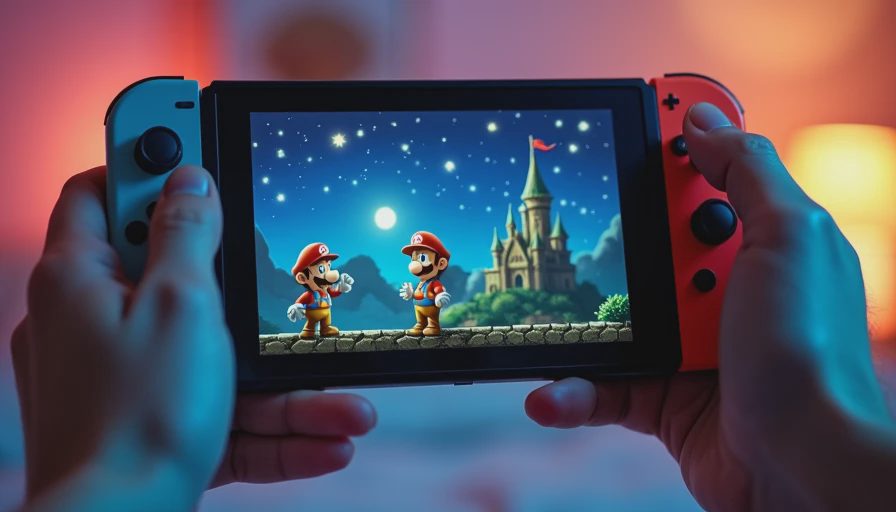
The original is readily available through Nintendo Switch Online’s Game Boy Advance library. The 3DS remake (Superstar Saga + Bowser’s Minions) remains an excellent alternative if you prefer updated visuals, quality-of-life improvements, and a little extra side content. Either version preserves what matters.
I finished the replay later than I meant to, smiling at a joke I had forgotten and still landing the same Bros. Attacks with the same small sense of satisfaction. The game did not feel like a museum piece. It felt like something that still knew how to entertain without raising its voice.
Mario & Luigi: Superstar Saga still feels great today. Not because nostalgia protects it, but because the core loop of movement, timing, and cheerful invention was built on solid ground. Memory made it fond. Replay confirmed it was earned.
That’s the verdict from one adult in Ann Arbor who still has room for a pair of brothers who refuse to take the world too seriously.



No feedback yet — submit the first.