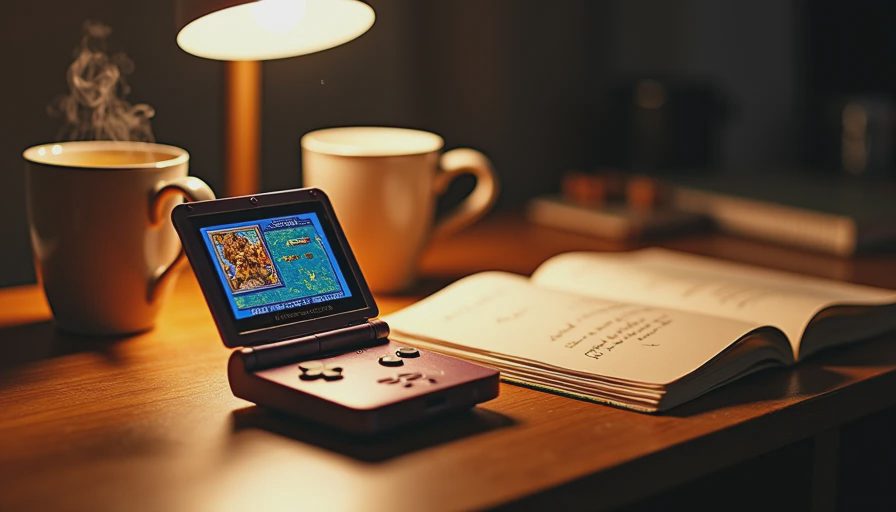
I loaded Fire Emblem: The Sacred Stones with a specific question in mind: if someone had never played a Fire Emblem game before, would this one still make a good first step in 2026?
I had played it years ago. I remembered the twin lords, the world map, the optional monster skirmishes, and the general sense that the game was willing to meet you halfway. What I wanted to know on this replay was whether that welcoming quality had survived the years of newer entries, quality-of-life improvements, and shifting expectations.
Memory is one thing. Replay is another.
What Still Works for a Newcomer
The accessibility is real and intentional. The Sacred Stones is widely regarded as one of the more forgiving classic Fire Emblem games, and that reputation holds up. The difficulty curve is gentle enough that a careful player can learn positioning, weapon triangles, and the value of protecting weaker units without constant punishment. Permanent death remains part of the design, but the game gives you tools—and optional grinding via the world map—to recover from mistakes more easily than some of its stricter siblings.
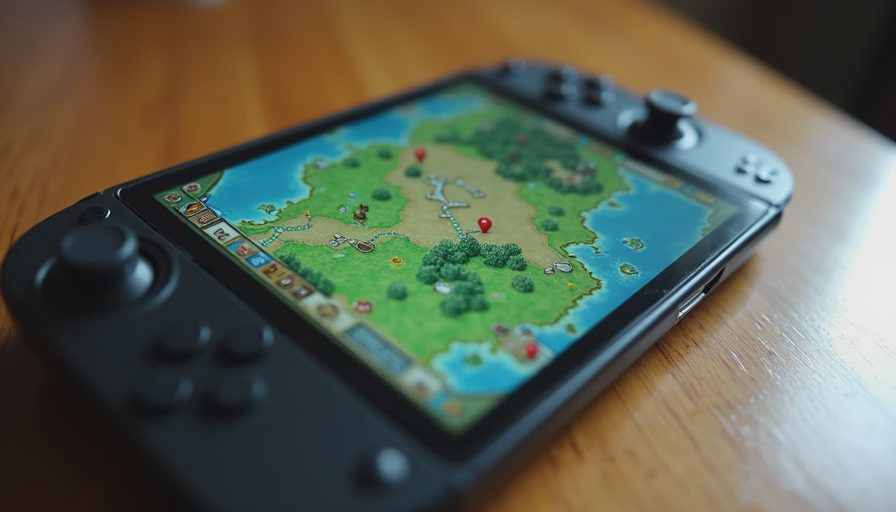
The world map is a quiet strength. Being able to choose when to take on extra skirmishes or simply move toward the next story chapter gives new players a sense of control. If a unit falls behind, you can catch them up. If you feel confident, you can push forward. That flexibility lowers the intimidation factor that older strategy RPGs sometimes carry.
The cast is easy to care about. Supports are still limited by the older conversation system, yet the characters have distinct personalities and clear relationships. You do not need deep series knowledge to understand their motivations or to feel the weight of keeping them alive. The story is self-contained, relatively straightforward, and focused on personal stakes rather than dense continuity.
Branching paths add replay value without demanding it. Choosing Eirika’s or Ephraim’s route changes maps and some story emphasis, which gives a natural reason to return once you are comfortable with the systems. For a first playthrough, either path works.
Where Modern Expectations Notice the Age
The game lacks many of the quality-of-life features later entries take for granted. There is no casual mode that removes permanent death. There is no turnwheel or easy rewind. Support conversations still consume a unit’s action. The interface is clean for its era but less informative than modern strategy games. New players coming from recent Fire Emblem titles or other contemporary SRPGs will notice the missing conveniences.
Difficulty can swing depending on how you play. Rely heavily on pre-promoted units or grind the skirmishes and the game becomes quite easy. Avoid both and it stays closer to a moderate challenge. That variability is a feature for veterans who want to set their own terms, but it can make the experience feel uneven if a new player does not yet know how to regulate it.
The storytelling is sincere without being especially complex. Themes of responsibility, loyalty, and the cost of war are present, yet they are delivered in a register that feels closer to classic handheld storytelling than to the more intricate political or character-driven narratives of later games. Some players will find that refreshing. Others may find it plain.
The Gap Between Then and Now
As a younger player I mostly registered The Sacred Stones as a comfortable, complete package—a Fire Emblem game that did not punish curiosity. Replaying it now, I notice how deliberately it was tuned to be approachable. The systems teach through play rather than through lengthy tutorials. The map design generally rewards careful movement without requiring perfect knowledge of enemy ranges on the first attempt. The game wants you to finish it and feel capable.
That design goal still succeeds. A new player in 2026 can learn the core grammar of Fire Emblem here without being overwhelmed. The same qualities that once made it a common recommendation continue to make it a reasonable entry point, provided the player is prepared for older interface conventions and the presence of permanent death.
Who Should Start Here in 2026
It still works well if:
You want a classic Fire Emblem experience without the steepest difficulty curves of the older titles.
You prefer a self-contained story and a cast that is easy to invest in quickly.
You like having optional ways to strengthen units between chapters.
You are curious about the GBA era and want a game that remains welcoming rather than purely nostalgic.
It may not be ideal if:
You strongly prefer modern quality-of-life features such as easy rewinds or a casual mode.
You want dense political intrigue or highly complex character writing from the start.
You dislike any form of permanent death and are not willing to reset chapters.
You are already comfortable with recent Fire Emblem games and are mainly looking for a stiffer challenge.
The game is readily available through Nintendo Switch Online’s Game Boy Advance library, which removes the old barrier of finding a physical copy. That accessibility makes the recommendation more practical than it once was.
I finished this replay with the same quiet appreciation I remembered. The Sacred Stones does not try to reinvent the series. It simply offers a clear, complete, and relatively kind introduction to its fundamental pleasures: careful positioning, growing attachment to a cast of units, and the small satisfaction of a plan that works.
For a new player willing to meet an older design halfway, it still works. The systems teach. The characters land. The world map gives you room to breathe. Nostalgia is not required. What is required is a willingness to play at the game’s pace and to accept that failure can be permanent—but recovery is usually possible.
Memory kept the sense of comfort. Replay confirmed that the comfort was built into the design. For the right newcomer, that is still enough.





No feedback yet — submit the first.