The best game cube games are not necessarily the ones that command the highest prices in a used-game listing. They are the ones that still make sense after work, when you have an hour before bed and less patience for busywork than you had at fourteen. Revisiting the GameCube now means separating the warm glow of memory from the actual experience of playing. Some classics remain startlingly good. Others are better left as remembered afternoons.
I spent years assuming every GameCube favorite would welcome me back. That was optimistic. Memory is one thing. Replay is another. This is a practical, affectionate look at the best game cube games for grown-up players, including the masterpieces, the awkward survivors, and the games that deserve a second chance.
The essential first choices
The Legend of Zelda: The Wind Waker remains the easiest recommendation. Its cel-shaded world still looks deliberate rather than dated, and its expressive animation gives every island a little personality. The sailing is slower than memory suggests, but the adventure has a generous rhythm that works well in short sessions. It is bright, funny, and quietly melancholy in a way many modern open-world games are not.
Metroid Prime is the more serious cornerstone of the best game cube games. Its first-person perspective initially felt like a strange compromise for a Metroid title, yet the lonely atmosphere, scanning, sound design, and layered world remain exceptional. Backtracking is part of the structure, not an accident, although a modern player should expect to consult a guide for a few late-game objectives. Prime still rewards attention rather than constant stimulation.
Super Mario Sunshine is harder to place. The movement is excellent, and controlling Mario with the water pack remains satisfying, but several objectives are fussy and some shines are hidden behind frustrating challenges. I love its sunny vacation mood more than I love every level. It belongs in the conversation, but not above Wind Waker or Prime for a first replay.
Multiplayer games that still earn the setup
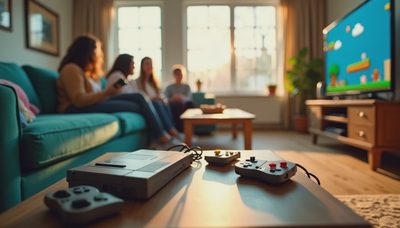
Mario Kart: Double Dash!! is one of the best game cube games when friends are sitting on the couch, snacks are open, and nobody wants a tutorial. The two-character kart design creates small decisions that make familiar tracks feel different. One person drives while the other manages items, which sounds simple but produces constant arguments about timing and responsibility. It is not the deepest kart racer, but it is immediate in a way online matchmaking rarely is.
Super Smash Bros. Melee has a higher skill ceiling and a sharper personality. Competitive players can spend years learning its movement, but casual groups can still start a four-player match and understand the appeal within minutes. The menus are plain, the stages are memorable, and the matches create stories quickly. Melee is less welcoming if everyone arrives expecting a relaxed party game, but its responsiveness is still remarkable.
Mario Party 4 through 7 are more dependent on the people in the room. The minigames generally remain readable, and the board games can produce wonderful reversals, but long sessions expose slow menus and uneven luck. My adult recommendation is to play one board, not an entire afternoon. That small limit preserves the comedy before it becomes exhaustion.
The deeper single-player picks
The best game cube games include several adventures that ask for more time but offer richer returns. Paper Mario: The Thousand-Year Door is still charming, funny, and unusually pleasant to explore. Its turn-based battles have enough timing and planning to avoid feeling passive, while the writing gives even minor characters a distinct voice. Some jokes have aged unevenly, and the backtracking is real, but the game understands that an RPG can be light without being shallow.
Resident Evil 4 changed action games for a reason. The over-the-shoulder camera, deliberate aiming, tense crowd control, and chapter structure still hold together. It is more action-focused than earlier Resident Evil games, but that makes it easier to replay in manageable pieces. The castle section wanders, and some humor now feels broad, yet the encounter design keeps pulling me forward.
Eternal Darkness: Sanity's Requiem is less polished but more unusual. Its psychological tricks can lose their surprise once you know them, though the shifting characters and oppressive soundscape still create a particular kind of unease. It is not the game I recommend to everyone, but it is one of the best game cube games for someone who has exhausted more familiar horror recommendations.
Overlooked games worth finding
Beyond the famous releases, the best game cube games often live in the second tier of memory. Viewtiful Joe is a compact, stylish action game built around slowing, speeding, and manipulating time. It can be brutally demanding, but its stages are short enough that failure feels instructional rather than ruinous. This is a good choice for a player who wants something colorful without committing to a sixty-hour adventure.
Pikmin 2 is another excellent return. Its underground caves, limited-day structure, and constant resource decisions make it more strategic than its cheerful presentation implies. The absence of a strict time limit gives it a gentler pace than the first game, while the possibility of losing creatures keeps every expedition slightly uncomfortable. It rewards regular sessions of twenty or thirty minutes.
F-Zero GX is the opposite sort of commitment. It is fast, difficult, and not especially interested in helping you feel competent. The vehicles are distinct, the tracks are dramatic, and the sense of speed remains extraordinary, but the learning curve can turn a nostalgic evening into a technical exercise. Try a few cups before deciding whether its severity is exciting or simply tiring.
What to consider before buying
Price changes the recommendation. A loose copy of a common title can be reasonable, while complete copies of famous games sometimes ask collector prices that are difficult to justify for a first playthrough. Before spending $80 or more, consider whether the game is available on a modern Nintendo system, through an official remaster, or in a legitimate digital collection. Physical ownership has real appeal, but nostalgia does not make an inflated listing a good deal.
Hardware also matters. Original GameCube controllers feel right for these games, especially Smash, F-Zero, and Mario Sunshine, but worn analog sticks can make precision difficult. A clean memory card, a reliable video connection, and a comfortable chair will improve the experience more than an expensive shelf display. If you use emulation, follow local law, use games you own where required, and spend time configuring controls before blaming the original design.
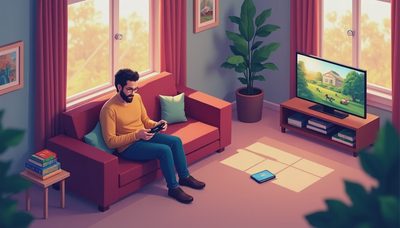
The best game cube games are also easier to appreciate when you choose a realistic schedule. An RPG might need several weeks of short sessions. A racing game can deliver a complete evening in twenty-minute bursts. Do not turn a replay into another obligation. The point is to recover the pleasure, not recreate a childhood completion percentage.
My modern verdict
For most adults returning to the system, I would begin with Wind Waker, Metroid Prime, Mario Kart: Double Dash!!, and Paper Mario: The Thousand-Year Door. They offer different kinds of play and remain distinctive rather than merely historic. Add Resident Evil 4 for action, Pikmin 2 for strategy, and Eternal Darkness for something stranger.
The best game cube games survive because they have strong identities. They are not all frictionless, and some should be approached with a guide, a shorter session, or a willingness to stop before nostalgia turns sour. What I loved then is not always what works now, but the right replay can still make an ordinary Tuesday feel briefly connected to the person you used to be.
No feedback yet — submit the first.