The top DS games are not necessarily the ones with the loudest fan communities or the highest prices on auction sites. They are the games that still make sense when you have a job in the morning, a phone full of distractions, and less patience for empty padding than you had at thirteen. I have been returning to the Nintendo DS slowly, usually after dinner, and the best discoveries have felt less like museum visits than unexpectedly good evenings.
Memory is one thing. Replay is another. Some games I adored as a kid now feel cramped, slow, or determined to explain every button twice. Others have become more valuable with age because their small screens, short sessions, and unusual ideas fit adult life surprisingly well. These are my top DS games for that second kind of return.
The DS advantage: small sessions, big personality
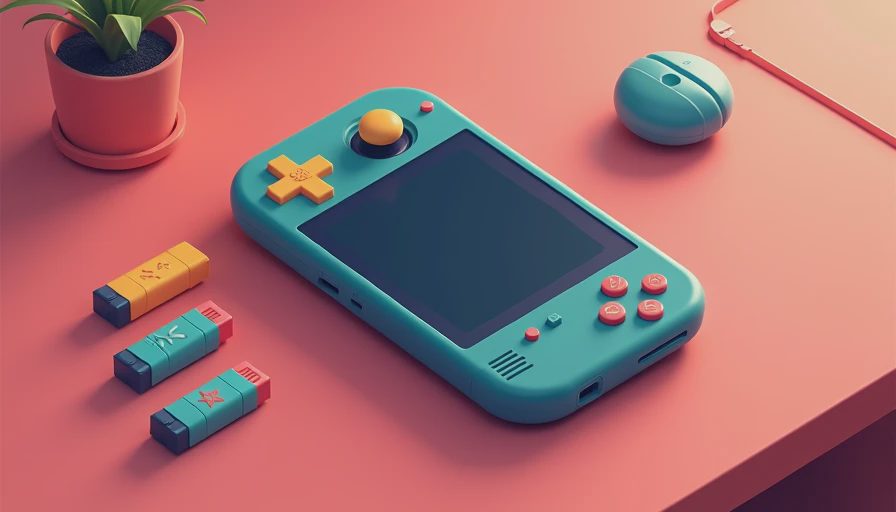
The DS was an odd little machine. It had a touchscreen that developers sometimes treated like a gimmick and sometimes used with startling intelligence. It could hold a traditional role-playing game, a cooking experiment, a mystery novel, or a platformer in the same coat pocket. That variety is central to the top DS games: they rarely feel like scaled-down console software. They feel designed around a different rhythm.
That rhythm matters now. A thirty-minute train ride, a lunch break, or an hour before bed is enough time to make progress. Saving is usually generous, and the two-screen layout gives menus and maps a practical home rather than pushing everything into cluttered overlays. The system was not powerful, but it was confident about being different. The top DS games understand that limitation and turn it into character.
Role-playing games that reward patience
Dragon Quest IX remains one of the easiest recommendations for a returning adult player. Its story is gentle rather than overwhelming, its battles are clear, and its job system gives you room to experiment without demanding a spreadsheet. The opening takes a little while to settle, but once the party is moving across the world, the game has a comfortable bedtime quality. You can play for twenty minutes or lose an entire Saturday to improving a character build.
The World Ends with You is less comfortable but more memorable. Its battles use both screens at once, which sounds hostile until the controls begin to click. Its Shibuya setting, sharp soundtrack, and anxious young cast still have an unusual energy. I would not call it effortless, especially if you dislike learning a combat system through repetition, but it is one of the top DS games because it could not have been made quite the same way elsewhere.
Radiant Historia is another strong choice for players who want a substantial story without committing to a hundred-hour modern epic. Its time-travel structure gives familiar events new context, while the grid-based combat stays tactical without becoming exhausting. The writing can be earnest, but the sense of forward movement is excellent.
The quiet classics are often the better return
One of the top DS games for a short, thoughtful replay is Hotel Dusk: Room 215. It is a mystery adventure built around conversation, suspicion, and the slow pleasure of noticing details. You hold the DS like a book, and that physical gesture makes the whole experience feel intimate. The characters are not always subtle, but the hotel has atmosphere, and the game trusts silence more than many current narrative adventures do.
Phoenix Wright: Ace Attorney has a different kind of momentum. Its courtroom logic is theatrical, occasionally ridiculous, and frequently satisfying. Some testimony puzzles require the player to think in the narrow terms of the script rather than real-world logic, but the dramatic payoffs remain effective. The first game is the safest entry point, especially if you want a focused story that can be finished in manageable chapters.
Elite Beat Agents is the choice for anyone who remembers the DS as a machine for joyful nonsense. It is a rhythm game about stylized secret agents helping people through musical encouragement, and its cartoon presentation has held up better than it has any right to. The difficulty can spike sharply, but a few successful songs still produce the kind of immediate satisfaction that many larger games spend hours chasing.

Platformers, puzzles, and the games between categories
The top DS games also include several excellent platformers. New Super Mario Bros. is familiar to the point of being almost conservative, but its clean movement and compact levels remain dependable. It is especially good when you want a game that requires attention without demanding emotional investment. The later worlds can be tougher than memory suggests, which is a pleasant reminder that simplicity is not the same as ease.
Kirby: Canvas Curse is stranger and more interesting. Instead of controlling Kirby directly, you draw paths for him with the stylus. The gesture can feel awkward on a modern touchscreen emulator, but on original hardware it creates a tactile relationship between your hand and the level. It is not the most traditional Kirby game, yet that is exactly why it belongs in a conversation about top DS games.
For something slower, Professor Layton and the Curious Village offers illustrated mystery, piano-like music, and a steady supply of logic puzzles. Not every puzzle is fair, and some answers depend on wordplay that can feel arbitrary, but the presentation gives the game a warmth that makes small frustrations easy to forgive. It is ideal for a few puzzles before bed.
What has not aged as well
A useful list of the top DS games should include some caution. The touchscreen can be uncomfortable when a game uses it constantly without a good reason. Certain role-playing games bury basic progress behind random battles, repeated tutorials, or long stretches of text. Animal Crossing: Wild World has genuine charm, but its slower systems and limited convenience can feel demanding after playing later entries.
The original Pokémon Diamond and Pearl games are more complicated to recommend than nostalgia suggests. The region, music, and creature designs still work, but the battle speed and technical limitations make them a harder return than Pokémon HeartGold and SoulSilver. Those remakes preserve the older structure while giving the adventure more polish and personality. For many adults, they are the better way back into that era.
How to choose one for tonight
If you want a story, start with Phoenix Wright or Hotel Dusk. If you want a long-term project, choose Dragon Quest IX or Radiant Historia. If you have only fifteen minutes, play Professor Layton, Elite Beat Agents, or New Super Mario Bros. If you want something genuinely shaped by the hardware, try The World Ends with You or Kirby: Canvas Curse.
I would also resist turning this into a collecting problem. You do not need a pristine special edition, an expensive replacement case, or a complete library. A working console, comfortable controls, and one game you are curious about are enough. Digital re-releases and legally obtained emulation can also make older software easier to approach, although touch controls and dual-screen layouts deserve some thought before you settle on a setup.
The best top DS games are not valuable because they are old. They are valuable because they respect small amounts of time while offering ideas large enough to stay with you. What I loved then is not always what works now, but these games survived the return better than most. Start with the one that matches your evening, not the one a ranking tells you to admire.




No feedback yet — submit the first.