The best rpg in gba is not necessarily the game with the largest world, the rarest cartridge, or the soundtrack that makes memory glow. It is the one that still respects your time when you are playing after work, slightly tired, with tomorrow already waiting. I returned to several of the system's role-playing games recently, expecting nostalgia to do most of the work. It did not. Some memories held up beautifully. Others were clearly being generous.
The Game Boy Advance had an unusual gift for compact role-playing games. Its screen was small, but it carried long adventures, turn-based battles, tactical maps, and surprisingly expressive characters. The hardware could not offer the scale of a PlayStation 2 game, so designers focused on menus, pacing, and strong visual shorthand. That focus is exactly why many GBA RPGs remain comfortable to play in short evening sessions.
What makes a GBA RPG worth replaying now
For me, the best rpg in gba needs more than a good childhood reputation. It needs readable menus, battles that do not become chores, and a story that can survive being remembered imperfectly. A game should give me a satisfying thirty-minute session without punishing me for putting it down. Save points matter. So does the speed of ordinary combat. When every random encounter takes a minute to resolve, adult patience becomes part of the review.
The strongest candidates also have a distinct identity. Golden Sun has its puzzle-filled dungeons and elaborate magic system. Mario and Luigi: Superstar Saga has timing-based combat and a comic rhythm that still feels unusual. Fire Emblem: The Sacred Stones turns every mistake into a small personal tragedy. Pokemon Emerald offers a slower, more open-ended kind of attachment. None is perfect, but each gives you a reason to keep thinking about it after the handheld is switched off.

Golden Sun is the obvious contender, with caveats
If someone asks me for the best rpg in gba, Golden Sun is still the first title I mention. It looks excellent on original hardware, uses colorful environments intelligently, and gives its dungeon puzzles a mechanical purpose through Psynergy abilities. Moving a pillar, freezing a puddle, or lifting an object with telekinesis feels more involved than simply walking from one fight to the next.
The battle system is traditional but polished. Djinn provide a flexible layer of customization, letting you change classes, summon powerful attacks, and experiment with different party arrangements. The music has the dramatic confidence of a much larger game. Golden Sun also understands the pleasure of arriving somewhere new and immediately seeing a few suspicious objects that will make sense later.
The caveat is its opening pace. The conversations can be overly earnest, and the first stretch takes time to establish itself. The original game also ends just as its larger journey is becoming clear, with The Lost Age serving as the more substantial continuation. Even so, it remains a beautiful, generous adventure if you want a classic JRPG rather than a quick arcade-like diversion.
The strongest alternatives deserve more attention
Mario and Luigi: Superstar Saga may be the best rpg in gba for players who want momentum. Battles ask you to jump, dodge, counter, and time hammer strikes, so even familiar enemies demand a little attention. The writing is silly without being empty, and the partnership between Mario and Luigi gives every area a playful texture. It is shorter and less ceremonious than Golden Sun, which makes it easier to recommend to someone with a crowded backlog.
Fire Emblem: The Sacred Stones is a different kind of commitment. Its tactical maps can be played in manageable sessions, but the possibility of permanently losing a character adds real weight to every decision. The game is friendlier than some entries because it includes a branching route and opportunities to train, yet careless positioning can still ruin an evening. Its pixel art remains clear, and its cast becomes memorable through use rather than endless exposition.
Pokemon Emerald is less impressive as a dramatic story, but it may be the most naturally replayable choice. Team building, exploration, and optional goals give it a loose structure that works well when you only have twenty minutes. The older battle interface is slower than modern Pokemon, and the physical-special split had not yet arrived. Still, the Hoenn region has a strong sense of place, and choosing a team creates a personal version of the adventure.
Choosing the best rpg in gba for your available time
The best rpg in gba depends heavily on what kind of evening you are trying to have. Choose Golden Sun if you want a traditional journey with puzzles, summons, and a soundtrack that makes a short walk feel more important. Choose Superstar Saga if you want jokes, movement, and battles that rarely settle into autopilot. Choose The Sacred Stones if you enjoy planning and can accept that a bad decision might cost a favorite character. Choose Emerald if you want a flexible game you can revisit without remembering every plot detail.
There are also practical differences between them. Golden Sun asks for attention to dungeon layouts and character customization. Fire Emblem asks for patience after mistakes. Pokemon rewards wandering, but its opening hours can feel slow if you already know the formula. Mario and Luigi is the easiest to pick up after a long break because its objectives are usually clear and its tone does not demand solemn concentration.
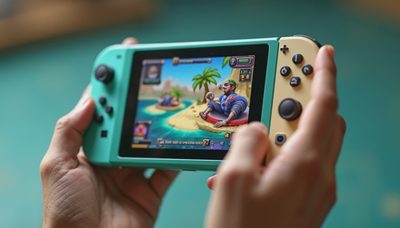
For original hardware, a brighter screen makes every game more pleasant, but it is not essential. A well-maintained GBA SP, Nintendo DS Lite, or legitimate modern re-release can make these games easier to live with. I would prioritize a comfortable control setup over collecting a pristine box. The point is to finish an adventure, not create another shelf project.

What nostalgia gets right, and what it hides
Memory is one thing. Replay is another. I remembered GBA RPGs as enormous because I played them in small pieces between school, dinner, and bedtime. Returning to them as an adult reveals their boundaries. Towns are tiny. Side characters repeat their roles. Menus can be slower than I remembered. Yet those limits often create a pleasing focus. There is less clutter, fewer systems competing for attention, and a clearer sense of what the designers considered important.
The games also benefit from the physical rhythm of handheld play. A dramatic dungeon does not need to fill an entire night. You can stop after solving one puzzle or reaching one save point and come back later without losing the thread. That quality feels more valuable now than it did when I was desperate to keep playing until someone told me to turn the light off.
No single choice covers every kind of RPG fan. Someone who wants deep tactical consequences will be happier with Fire Emblem than Golden Sun. Someone who dislikes random battles may prefer Superstar Saga. Someone seeking an expansive collection hobby can spend months with Pokemon, while a player chasing a clean beginning and ending may prefer Mario and Luigi.
Final verdict for adult players
My answer to the best rpg in gba question is Golden Sun, narrowly. It has the most complete blend of atmosphere, exploration, character growth, visual charm, and mechanical curiosity. Its sequel improves the scale, but the original remains the cleaner recommendation for a first replay. Do not expect modern convenience or brisk storytelling in every chapter. Expect a carefully made handheld adventure that still feels like it has somewhere worth taking you.
If Golden Sun's slower opening sounds tiring, play Mario and Luigi: Superstar Saga instead. It is the recommendation I would give to a busy friend who wants the best rpg in gba experience without committing to a long, solemn campaign. Fire Emblem and Pokemon remain excellent alternatives for more specialized moods.
The important thing is to approach these games as present-tense experiences, not museum pieces. Give them a few evenings, notice where they drag, and let the good parts earn their place again. What I loved then is not always what works now, but when a game survives that test, the rediscovery feels better than nostalgia alone.


No feedback yet — submit the first.