The best rpg games on gameboy advance are not necessarily the largest or most expensive cartridges. They are the ones that still make a tired adult say, “I have another half hour,” before realizing the coffee has gone cold. The GBA had limited screen space and no room for cinematic excess, yet it produced role-playing games with strong music, memorable worlds, and systems that respected short sessions. Memory is one thing. Replay is another. Here is what still works.
Golden Sun remains the easy recommendation
Golden Sun is the game I would hand to someone who remembers the GBA fondly but has not touched one in years. Its colorful towns, expressive character portraits, and cheerful soundtrack immediately communicate what the hardware could do. Battles are traditional turn-based affairs, but the Djinn system gives them a little more texture. You collect elemental creatures, assign them to party members, and change classes or summon powerful attacks by rearranging them.
The standout idea is Psynergy, the game’s field-magic system. You use abilities to move objects, freeze water, read minds, and solve environmental puzzles. It makes the world feel more interactive than a sequence of battle screens connected by menus. The writing can be theatrical, and the opening takes longer than I remembered, but the adventure has a welcoming rhythm. A normal session can include a town, a dungeon puzzle, and a few satisfying fights without demanding an entire evening.
Golden Sun is also a good reminder that nostalgia does not require pretending everything is perfect. The random encounters become tiring, and some conversations repeat themselves. Still, for many players searching for the best rpg games on gameboy advance, this is the safest first stop: polished, generous, and substantial without becoming unmanageable.

Mario and Luigi: Superstar Saga is the funniest choice
Mario and Luigi: Superstar Saga approaches role-playing differently. It has experience levels, equipment, party abilities, and turn-based combat, but its real strength is timing. Attacks are interactive. Pressing a button at the right moment can increase damage or avoid a hit, so battles stay lively rather than becoming menu maintenance. The brothers also work together outside combat, using jumps, hammers, and other abilities to reach new areas.
The humor has aged better than I expected. It is broad, strange, and often built around the contrast between Mario’s expressive reactions and Luigi’s nervous energy. Bowser is not just a final obstacle here; he becomes part of the comedy and the party’s momentum. The story moves quickly, and the game rarely asks you to grind for hours before the next meaningful scene.
This is one of the best rpg games on gameboy advance for someone who wants role-playing structure without solemn fantasy storytelling. It is also the most approachable recommendation for a player with limited time. You can finish a short section after work and still feel that you made visible progress.
Fire Emblem rewards careful attention
Fire Emblem is a strategy RPG rather than a traditional dungeon-crawling adventure, and that distinction matters. Battles take place on maps where terrain, weapon types, movement range, and positioning decide the outcome. Characters can die permanently, although modern players can choose a more forgiving approach if they want the story without the harshest consequences.
The appeal is not speed. Fire Emblem asks you to look at a battlefield, imagine what happens next, and accept that one careless move can ruin a carefully prepared turn. That can feel wonderfully absorbing on a handheld. It also makes the game less suitable for playing while distracted. I found myself setting the GBA down, making coffee, and returning with a clearer plan rather than rushing through a map.
Among the best rpg games on gameboy advance, Fire Emblem is the one that most clearly benefits from adult patience. The interface takes time to learn, and some early missions feel unforgiving. Once the relationships and tactical routines settle in, however, every successful turn feels earned. It is a thoughtful game, not a comfort blanket.
The other essential adventures
Final Fantasy Tactics Advance is a natural choice for players who like strategy but want more customization and a lighter presentation. Its job system lets characters learn abilities from equipment, then build unusual combinations over time. The story is less emotionally direct than the best Final Fantasy games, but the map-based battles can absorb dozens of short sessions. A player who enjoys experimenting with party builds can easily spend more time planning than fighting.
The Legend of Zelda: The Minish Cap is not a conventional RPG, but it belongs in this conversation because it delivers exploration, equipment upgrades, puzzles, and a strong sense of progression. Shrinking Link changes familiar spaces into new environments, and the compact campaign feels unusually respectful of the player’s schedule. It is bright, brisk, and easy to recommend when a full statistical RPG sounds like too much work.
Boktai: The Sun Is in Your Hand is stranger. Its cartridge includes a light sensor, so sunlight affects the game’s weapons and progression. That gimmick is difficult to reproduce exactly today, but the underlying stealth and action RPG design remains interesting. The original hardware experience is part of the appeal, especially for players who remember handheld games as physical objects rather than files in a menu.
These games show why the best rpg games on gameboy advance are not all trying to accomplish the same thing. Tactics Advance gives you long-term character planning, Minish Cap gives you focused adventure, and Boktai gives you an unusual relationship with the world outside the screen.
What to play when time is limited
If you have one hour on a weeknight, Superstar Saga is probably the best fit. Its battles are quick, its humor keeps the mood light, and its objectives are usually clear. Golden Sun works well when you want a more traditional journey, although dungeon puzzles and random encounters can stretch a session. Fire Emblem is ideal for players who prefer stopping after one completed map; it creates natural breaks without making the campaign feel fragmented.
For a weekend project, Final Fantasy Tactics Advance offers the deepest long-term loop. You can return to it repeatedly, adjust a job, try a new formation, and pursue side missions without losing your place. Minish Cap is better for a clean, contained replay that does not require a notebook or a strategy guide beside the couch.
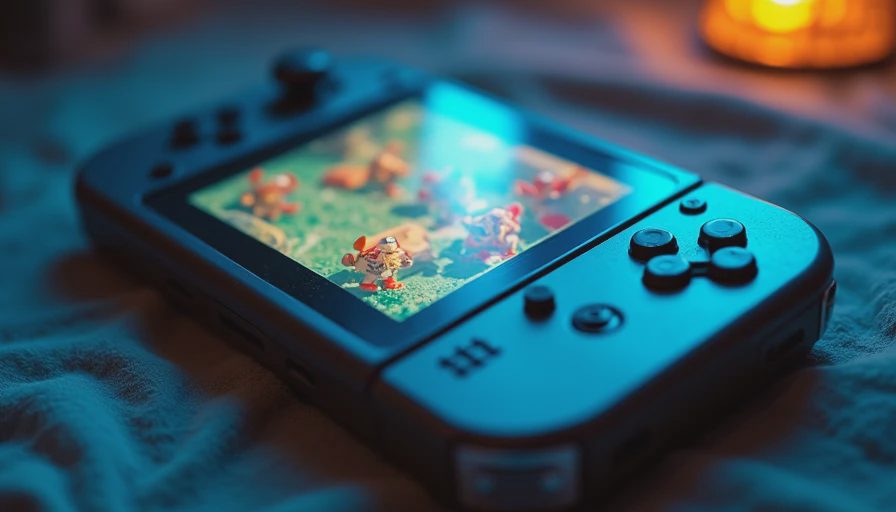
Hardware also affects the experience. An original GBA screen can be dim, especially under indoor lighting. A Game Boy Advance SP, a modern handheld with a quality display, or a legally obtained digital release makes these games easier to appreciate. Save often, keep expectations realistic about older interfaces, and avoid turning cartridge collecting into a requirement for enjoying the games.
My final ranking and modern verdict
My personal order is Golden Sun first, Mario and Luigi: Superstar Saga second, Fire Emblem third, Final Fantasy Tactics Advance fourth, and The Minish Cap close behind as the best nontraditional pick. That ranking is not a declaration of permanent truth. It reflects what I want from a replay now: clear progress, strong atmosphere, and enough mechanical depth to make another session feel worthwhile.
The best rpg games on gameboy advance still deserve attention because they understand proportion. They do not need enormous maps or endless voice acting to create attachment. They give you a handful of tools, a memorable soundtrack, and a reason to see what is beyond the next town or battle. Start with Superstar Saga if you want immediate charm, Golden Sun if you want the classic adventure, or Fire Emblem if you want every decision to matter.
What I loved then is not always what works now. These games have rough edges, repeated encounters, and occasional design habits that modern players will notice quickly. But the strongest ones still meet an adult player halfway. They are small enough to fit into a busy life and rich enough to make that life briefly disappear. That is a better reason to replay them than nostalgia alone.



No feedback yet — submit the first.